Is Resin Plastic? The Truth About Your Craft Material
Quick answer: Yes, technically. Cured epoxy and UV resin are synthetic polymers, so they belong to the broad plastic family. But they’re thermosets: they harden through a one-way chemical reaction (epoxy when its two parts are mixed, UV resin under UV light), so they can’t be melted down, reshaped or curbside-recycled like most everyday plastics.
If you have ever held a shiny resin keychain in one hand and a plastic water bottle in the other, you might have wondered: Wait, are these the same thing? They both feel smooth, they both come from a lab, and they both look great in bright colors. So, is resin plastic? When you look at the technical definition, the short answer is yes—synthetic resin is a specific category of plastic.
However, they are like distant cousins rather than identical twins. While they share some “DNA,” the way they are made and how they act is very different.
(Curious about the chemistry behind the pour? Read our guide: What is Resin?)
What Exactly is Resin? (And Is Resin Plastic or Natural?)
To understand resin, we first have to understand plastic. “Plastic” is a broad name for a group of materials called polymers. These are long chains of molecules that can be molded into almost any shape.
Most of the plastic we see every day—like water bottles, grocery bags, and LEGO bricks—is made in giant factories. Machines use extreme heat and pressure to squeeze liquid plastic into metal molds. Once it cools down, it stays in that shape.
What is Resin? (From Trees to Tables)
The word “resin” actually started in nature. If you’ve ever seen thick, sticky sap oozing from a pine tree, you’ve seen natural resin. Millions of years ago, that sap would harden into a gemstone we call Amber.
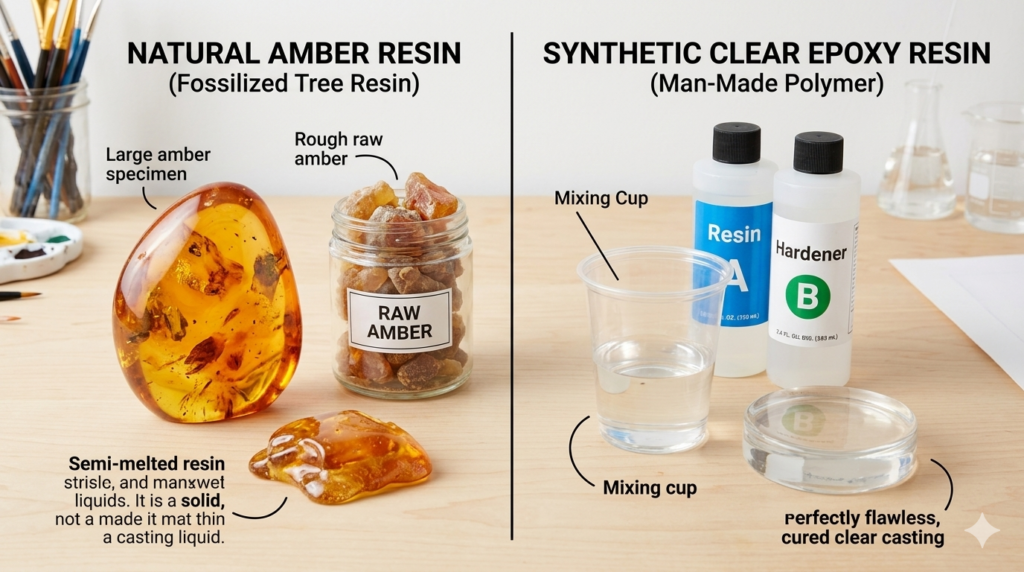
The stuff we use for our “affairs” with art is synthetic resin. It is a man-made liquid that turns into a hard solid through a chemical reaction. You don’t need a giant factory machine to make it work; you just need to mix Part A and Part B.
The Science: Why Resin is a “Special” Plastic
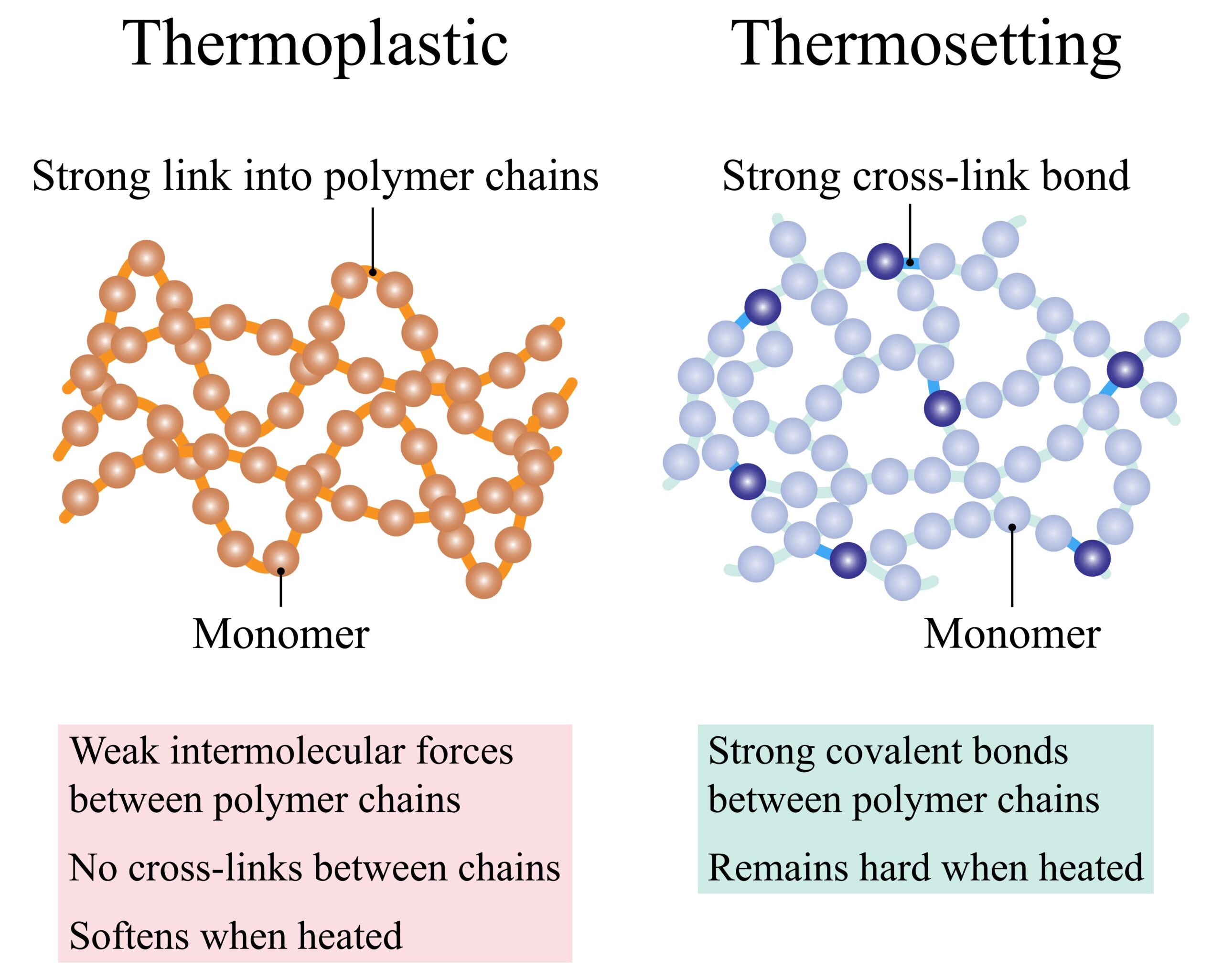
The biggest difference between resin and plastic is how they react to heat. Scientists split these into two groups:
1. Common Plastic (Thermoplastics)
Think of these like a candle. You can melt a candle, let the wax harden, and then melt it again. Most plastics are like this. If you get a plastic water bottle hot enough, it will melt back into a liquid.
2. Craft Resin (Thermoset Plastics)
Resin is different. Think of resin like baking a cake. You mix your “batter” (liquid resin and hardener), put it in the “oven” (the chemical reaction creates its own heat), and it turns into a solid. Once that cake is baked, you can’t turn it back into liquid batter. If you try to melt cured resin, it will eventually burn, but it will never melt back into a liquid. This is called a thermoset material.
Resin vs. Plastic: 3 Major Differences
| Feature | Common Plastic | Epoxy Resin |
| How it’s made | Factory machines | Hand-mixed and poured |
| Heat Reaction | Melts when hot | Softens above roughly 120°F (50°C) (varies by brand); won’t melt back to liquid, and chars at high heat |
| Clarity | Can look “cheap” or cloudy | Crystal clear (like glass) |
1. The Manufacturing Process
Plastic is “industrial.” It’s meant to be made by the millions. Resin is “artisanal.” Because it stays liquid for a while before hardening, it gives you time to add glitter, flowers, or photos.
2. Durability and Strength
Resin is usually much harder and tougher than standard plastic. This is why people use it for heavy-duty things like garage floors and kitchen countertops. It doesn’t scratch as easily as a cheap plastic toy.
3. The “Look”
Have you noticed how resin looks like glass? It has a depth and a shine that most plastics can’t reach. This “premium” look is why we love it for jewelry and home decor.
(To find the right formula for your specific look, see our guide to which type of resin to use.)
Is Resin Better for the Environment?
Since the answer to “is resin plastic?” is a firm yes, we have to address the environmental impact of these materials. Most synthetic resins are made from petroleum (oil), just like regular plastic. This means they aren’t exactly “green” by default.
However, there are two reasons resin is a bit different:
- Bio-Resins: More companies are now making “Bio-Resin” using plant oils like soy or corn. These are much better for the earth!
- Longevity: We throw away plastic bottles every day. We keep resin art for years. Because it is a “forever” item, it doesn’t end up in the trash as quickly as single-use plastic.
Conclusion: Does the Label Matter?
At the end of the day, understanding the answer to “is resin plastic” helps you be a better artist and a more informed creator. It tells you that you need to wear your safety gear, sand it carefully, and treat it with respect.
Resin is basically “high-performance plastic.” It’s the version of plastic that lets you be the creator instead of just the consumer.
Ready to start your own resin project? Make sure you have the right setup first! Check out our guide: Essential Resin Tools and Supplies Every Beginner Needs.
FAQ: Common Questions About Is Resin Plastic
Is epoxy resin a plastic?
Yes, epoxy resin is a synthetic polymer, which makes it a member of the plastic family. Specifically, it is a “thermoset” plastic.
Can you recycle resin like plastic?
Usually, no. Because resin doesn’t melt back down, most recycling centers cannot process it. The best way to be eco-friendly is to make pieces that last a lifetime!
Is resin more expensive than plastic?
Yes. Because resin is stronger, clearer, and made for specialty projects, it usually costs much more than the plastic used for everyday items.
Keep Learning on ResinAffairs.com
Want to go further than the “is it plastic?” question? Here’s where to go next:
- 📖 What Is Resin? → — the complete primer: resin types, how curing works and where resin is used.
- ⚖️ Epoxy Resin vs. UV Resin → — which resin type suits your first project, compared side by side.
- 🚀 How to Start Resin Crafting → — the beginner roadmap: what to buy first, what to skip, and the easiest first project.
- 🫧 Visit the Resin Safety Hub → — handling and disposal basics for any resin material.
- 🧪 Is Epoxy Resin Safe? → — the full breakdown of curing fumes, skin contact and when ventilation actually matters.
- 🧤 Resin PPE for Beginners → — the gloves, eye protection and ventilation setup worth having before you pour.
- 🩺 Can You Use Epoxy Resin While Pregnant? → — a sourced, disclaimer-led look at resin safety during pregnancy.
Enjoyed this guide? Join the Resin Affairs newsletter for new tutorials, safety tips, and project ideas straight to your inbox.