
Start With Resin Safety
Resin crafting involves liquid chemicals that must be handled carefully. Good resin safety begins with reading the product label and Safety Data Sheet for your exact resin, followed by suitable protective equipment, ventilation and careful handling.
The correct precautions can vary by product and project. Use these guides to understand common risks and prepare a safer resin workspace before you begin.
Important: These guides provide general educational information. Always follow the instructions and Safety Data Sheet supplied by your resin manufacturer. Seek professional medical advice if you have concerns about exposure, pregnancy or an existing health condition.
Essential Resin Safety Guides

Is Epoxy Resin Safe?
Learn about the main risks associated with uncured epoxy resin and the precautions beginners should take. This guide covers skin contact, ventilation, protective equipment and common handling mistakes.
Resin PPE for Beginners
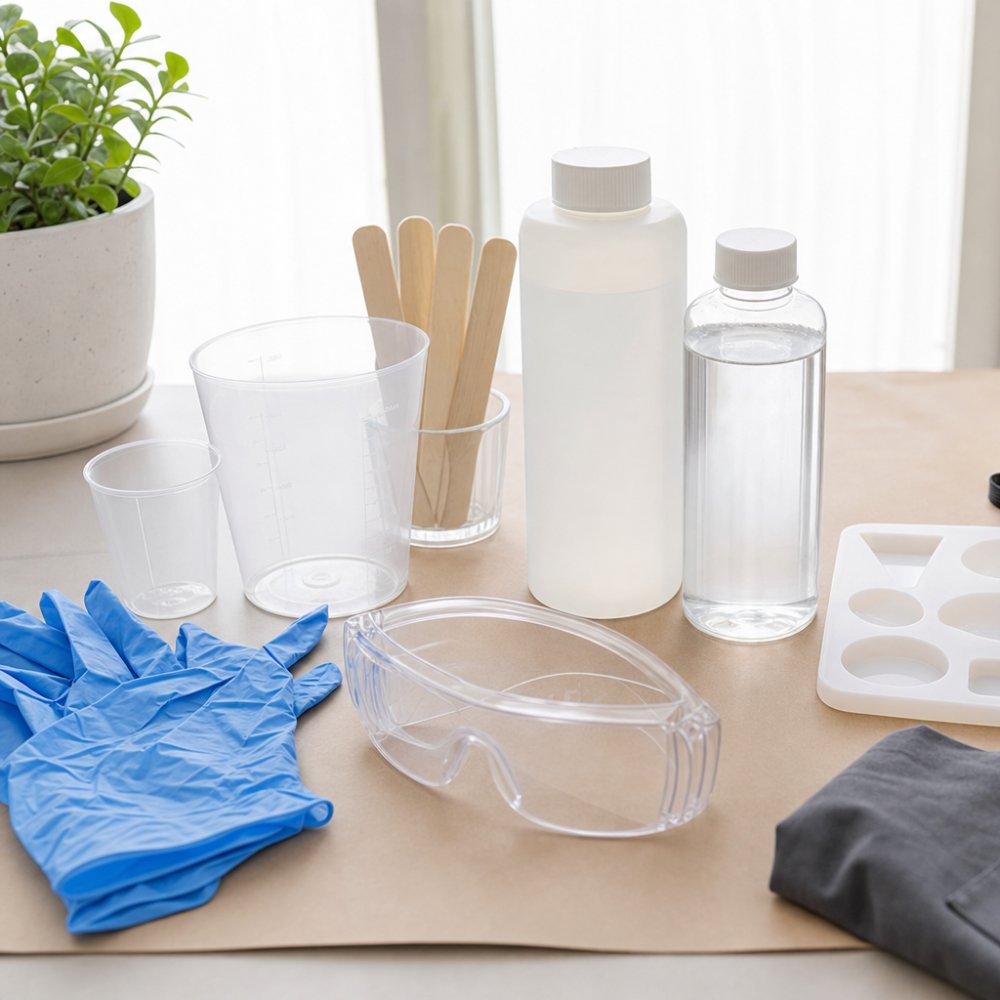
Find out what personal protective equipment may be needed when working with resin. The guide covers nitrile gloves, eye protection, clothing, ventilation and when respiratory protection may need to be considered. Sanding cured resin? See how to collect resin sanding dust.

Can You Use Epoxy Resin While Pregnant?
A plain-English summary of what workplace-safety agencies say about uncured resin during pregnancy, what to take to your doctor, how to cut exposure if you can’t stop, and lower-exposure ways to keep making. Not medical advice.
Which Safety Guide Should You Read First?
Start with Is Epoxy Resin Safe? if you:
- Are completely new to resin and want the real risks explained before you buy anything.
- Want to understand skin contact, fumes and the most common beginner handling mistakes.
Start with Resin PPE for Beginners if you:
- Already understand the basic risks and are ready to gear up your workspace.
- Want a straightforward shopping list: gloves, eye protection, ventilation, and when a respirator actually matters.
Basic Resin Safety Checklist
Before starting a resin project:
- Read the product label and Safety Data Sheet.
- Confirm the manufacturer’s mixing and handling instructions.
- Prepare a well-ventilated, dedicated work area.
- Wear suitable nitrile gloves and eye protection.
- Keep food, drinks, children and pets away from the workspace.
- Avoid direct skin contact with uncured resin and hardener.
- If resin does get on your skin, wipe it off, use a waterless hand cleaner, then wash with soap and warm water. Never use solvents on skin.
- Keep containers labeled, sealed and stored safely.
- Follow local requirements for resin waste and chemical disposal.
📋 Get the Free Resin Safety & Prep Checklist
You’re already reading the safety basics — take the one-page printable version with you into the workspace. Enter your email and we’ll send it straight over.
Free. We only email when there’s something useful, never more than twice a month, and you can unsubscribe anytime. Privacy Policy
Prepare Before Your First Pour
Safety equipment works best when combined with accurate preparation and mixing. Read our How to Mix Epoxy Resin guide before your first project, or visit the Beginner Resin Guides hub for more introductory help.
When you are ready to make something, explore our Resin Projects guides.
New to resin altogether? Start with Is Resin Plastic? for a plain-English look at what the material actually is before you dive into safety specifics.
If Something Goes Wrong Anyway
Even with the right precautions, pours don’t always cure the way you expect. Sticky patches, bubbles and soft spots are usually a mixing, ratio or temperature issue rather than a safety failure — see Common Resin Problems and How to Fix Them before you try to fix or re-pour anything.