How to Make Epoxy Resin Coasters (Without Ruining Your First Batch)
Learn how to make epoxy resin coasters step by step, from measuring and mixing to pouring, removing bubbles and achieving a smooth, glossy cure.

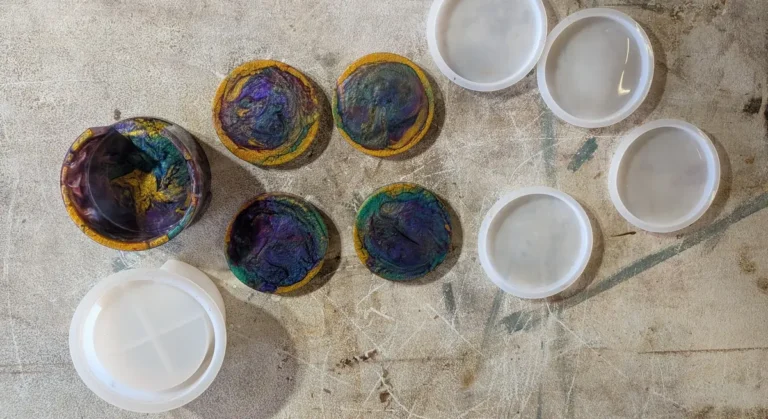
Learn how to make epoxy resin coasters step by step, from measuring and mixing to pouring, removing bubbles and achieving a smooth, glossy cure.

⚠️ Please read this first. Resin Affairs is a craft-education site, not a medical source, and nothing on this page is medical advice. What follows is a plain-English summary of what workplace-safety agencies publish about chemical exposure during pregnancy, and how that applies to resin crafting. It’s here to help you have a better conversation…
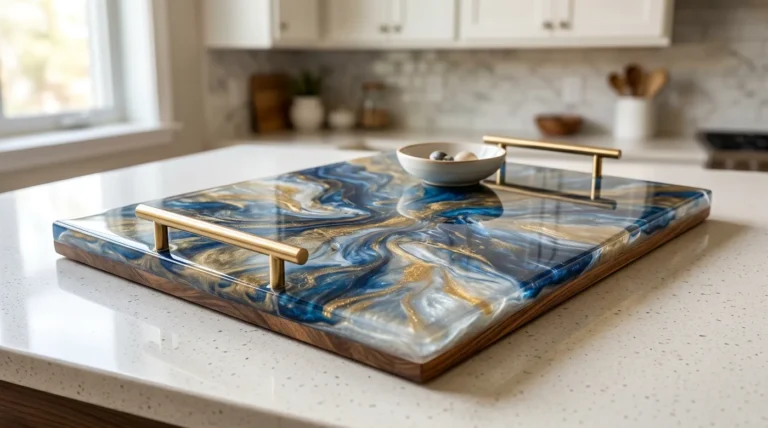
Learn how to make an epoxy serving tray step by step — with safety tips, design ideas, and the tools and molds for a glossy result.
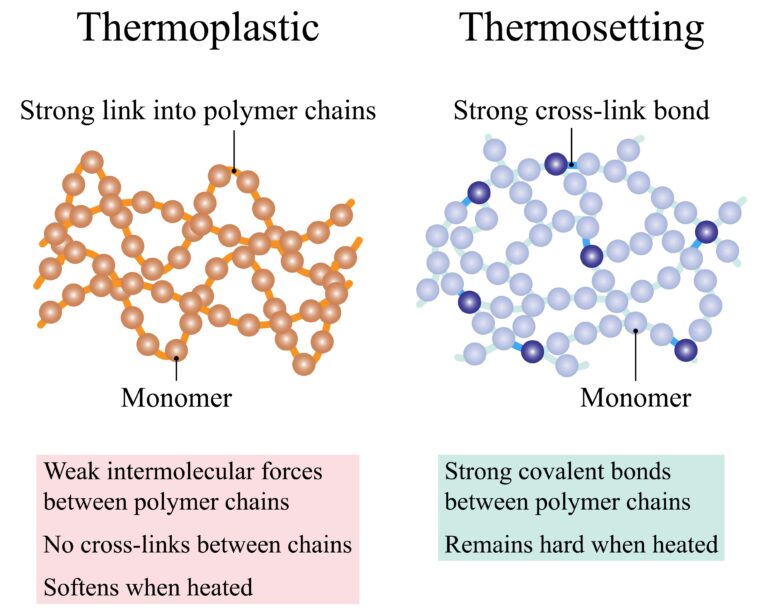
Quick answer: Yes, technically. Cured epoxy and UV resin are synthetic polymers, so they belong to the broad plastic family. But they’re thermosets: they harden through a one-way chemical reaction (epoxy when its two parts are mixed, UV resin under UV light), so they can’t be melted down, reshaped or curbside-recycled like most everyday plastics….
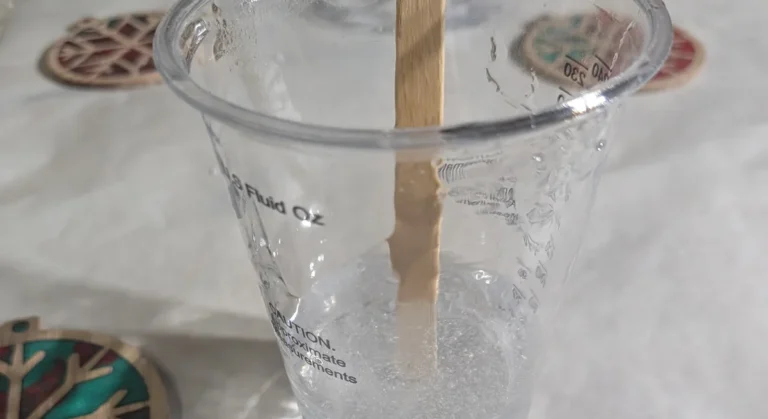
Compare a hair dryer vs heat gun for resin bubbles. Learn the risks of dust, ripples and overheating, plus which tool gives beginners better control.
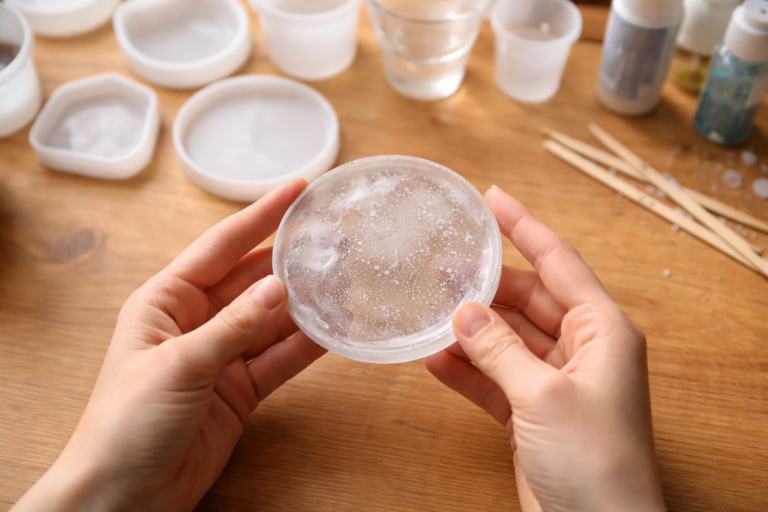
Sticky resin, bubbles, soft spots and cracks are common resin problems — find the real cause, the fix, and how to prevent it next time.

Discover the essential resin tools and supplies needed to start creating stunning resin art projects with confidence.
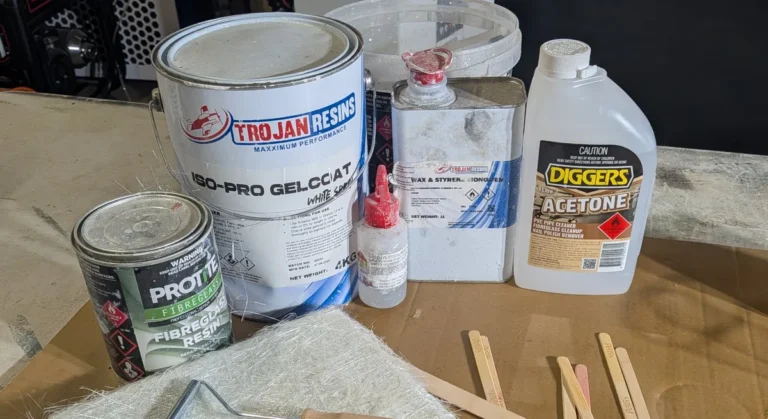
Quick answer: Buy epoxy for coasters, trays, coatings and anything thicker than a charm. Buy UV resin for small, thin jewelry you want finished the same day. Skip polyester and polyurethane unless you are laying fiberglass or casting parts to paint in a garage. I used both at work before I ever opened a bottle…
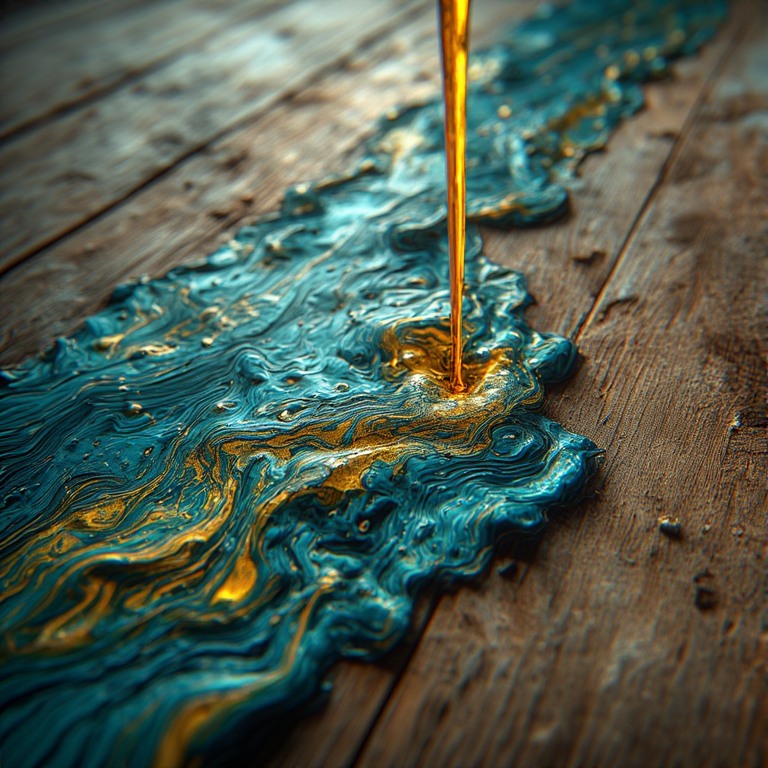
Quick answer: Resin is a viscous liquid — natural (like pine resin) or synthetic (like epoxy, UV, polyester, or polyurethane) — that hardens into a solid, glass-like material through a chemical reaction called curing. As a resin material, it’s used across crafts and industry: jewelry, tabletops, coatings, adhesives, and structural composites. Choosing a resin for…